
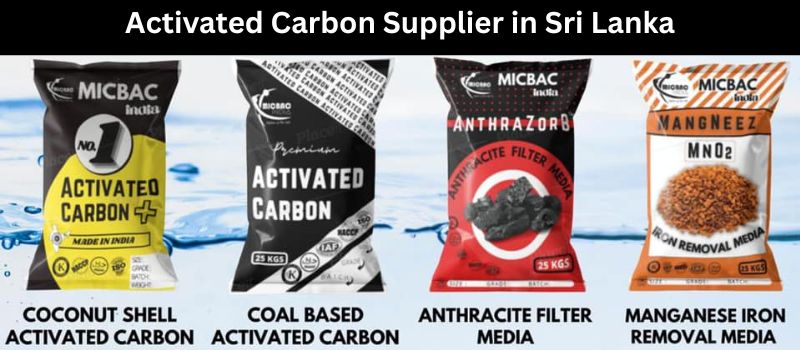
Activated carbon plays a vital role in modern industries where purification, filtration, and contamination control are essential. Whether it’s treating drinking water, purifying air, recovering precious metals, or improving food-grade processing, selecting the right Activated Carbon Supplier in Sri Lanka directly impacts operational efficiency and product quality.
Sri Lanka’s growing industrial sectors—including water treatment, manufacturing, hospitality, food processing, pharmaceuticals, and environmental services—continue to increase the demand for reliable activated carbon solutions. However, not all activated carbon products offer the same performance. Factors such as raw material, pore structure, adsorption capacity, and application-specific requirements all influence effectiveness.
This guide explains how activated carbon works, where it is used, what buyers should evaluate before purchasing, and how to identify a dependable supplier that can consistently meet industrial requirements.
Understanding Activated Carbon
Activated carbon is a specially processed carbon material with an extremely large internal surface area and millions of microscopic pores. These pores trap unwanted contaminants through a process called adsorption, making activated carbon highly effective for purification applications.
Depending on the intended use, activated carbon may be manufactured from different raw materials such as:
- Coconut shell
- Coal
- Wood
- Peat
Each raw material creates different pore structures that perform better for specific contaminants.
For example:
- Coconut shell activated carbon is widely preferred for drinking water purification because of its high microporosity.
- Coal-based activated carbon performs well in industrial wastewater treatment.
- Wood-based carbon is commonly selected for larger organic molecules and decolorization processes.
Choosing the correct material is often just as important as choosing the supplier.
Why Industries in Sri Lanka Use Activated Carbon
Sri Lanka has witnessed increasing investments in industrial development, environmental protection, and water management. As environmental regulations become stricter, industries require reliable purification systems to maintain quality standards.
Common reasons businesses use activated carbon include:
- Removing unpleasant odors
- Eliminating chlorine
- Reducing organic contaminants
- Improving water taste
- Treating industrial wastewater
- Air pollution control
- Chemical purification
- Solvent recovery
- Gold recovery operations
- Food and beverage processing
Because every application has unique filtration requirements, selecting the appropriate activated carbon grade becomes essential for long-term performance.
Industries That Commonly Require Activated Carbon in Sri Lanka
Water Treatment
Municipal water treatment plants, commercial buildings, hotels, hospitals, and manufacturing facilities rely on activated carbon to improve water quality by removing:
- Chlorine
- Organic compounds
- Odor
- Taste-causing substances
- Trace contaminants
High-quality activated carbon also helps extend the lifespan of downstream filtration systems.
Industrial Wastewater Treatment
Manufacturing industries generate wastewater containing chemicals, dyes, oils, and dissolved organic pollutants.
Activated carbon is commonly used after primary treatment to polish wastewater before discharge or reuse.
Industries include:
- Textile manufacturing
- Chemical processing
- Pharmaceutical production
- Food processing
- Metal finishing
Air and Gas Purification
Many industrial facilities use activated carbon filters to control airborne contaminants.
Applications include:
- VOC removal
- Odor control
- Industrial exhaust treatment
- Indoor air purification
- Gas purification systems
Food and Beverage Industry
Activated carbon supports food-grade purification by removing unwanted color, taste, and impurities during processing.
Common applications include:
- Sugar refining
- Beverage production
- Edible oil processing
- Food ingredient purification
Mining and Precious Metal Recovery
Activated carbon is widely used in gold recovery processes because of its exceptional adsorption properties.
Industrial-grade activated carbon designed for precious metal recovery provides improved durability and adsorption efficiency during repeated processing cycles.
Types of Activated Carbon Available
Different applications require different forms of activated carbon.
Granular Activated Carbon (GAC)
Granular activated carbon consists of larger particles that provide excellent flow characteristics.
It is commonly used for:
- Water treatment plants
- Swimming pools
- Industrial filtration
- Drinking water systems
Its longer service life makes it suitable for continuous filtration operations.
Powdered Activated Carbon (PAC)
Powdered Activated Carbon has much finer particles, allowing rapid adsorption.
It is typically used in:
- Wastewater treatment
- Emergency contamination removal
- Chemical processing
- Batch treatment systems
Pelletized Activated Carbon
Pelletized carbon provides low pressure drop and high mechanical strength.
It is widely used in:
- Air purification
- Industrial gas treatment
- Solvent recovery
- VOC removal systems
How to Choose the Right Activated Carbon Supplier in Sri Lanka
Selecting an activated carbon supplier involves much more than comparing prices.
A reliable supplier should consistently provide products that match your application requirements while maintaining quality standards.
Important factors include:
Product Quality
Activated carbon should have consistent physical and chemical properties.
Look for information regarding:
- Adsorption capacity
- Surface area
- Ash content
- Moisture level
- Hardness
- Particle size distribution
Consistent specifications help maintain predictable filtration performance.
Application Expertise
Every industry has different purification challenges.
An experienced supplier understands:
- Water treatment requirements
- Industrial process conditions
- Air filtration systems
- Chemical compatibility
- Performance expectations
This knowledge helps customers choose the most suitable activated carbon instead of relying on generic recommendations.
Consistent Supply
Industrial operations depend on uninterrupted production.
A dependable supplier should be capable of maintaining regular product availability and minimizing delays that could interrupt operations.
Technical Support
Activated carbon selection often involves evaluating multiple operating factors.
Technical guidance can assist with:
- Product selection
- Filter performance
- Carbon replacement schedules
- Process optimization
- Operational troubleshooting
Reliable support reduces costly trial-and-error decisions.
Practical Applications Across Sri Lanka
Businesses throughout Sri Lanka use activated carbon in both large-scale industrial operations and commercial facilities.
Examples include:
- Hotels improving guest water quality
- Beverage manufacturers maintaining product consistency
- Textile plants treating wastewater
- Hospitals enhancing water purification
- Manufacturing facilities controlling industrial emissions
- Food processors improving purification efficiency
Although the applications differ, the goal remains the same—effective contaminant removal with reliable long-term performance.
Practical Tips for Selecting Activated Carbon
Before purchasing activated carbon, consider the following best practices:
- Clearly identify the contaminants you need to remove.
- Understand whether your application requires liquid or gas-phase filtration.
- Choose the appropriate carbon type rather than selecting solely based on price.
- Verify product specifications for consistency.
- Consider operating conditions such as flow rate, temperature, and contact time.
- Monitor carbon performance and replace media before adsorption capacity is exhausted.
- Work with suppliers who understand your industry’s filtration requirements.
These simple steps often improve filtration efficiency while reducing unnecessary operational costs.
Common Challenges and Mistakes to Avoid
Many organizations experience filtration problems because they overlook important selection criteria.
Choosing Carbon Based Only on Cost
Lower-cost activated carbon may have reduced adsorption capacity, resulting in shorter service life and more frequent replacement.
Long-term operating costs can become significantly higher.
Ignoring Product Specifications
Two activated carbon products may appear similar while delivering completely different performance.
Always compare technical specifications rather than product descriptions alone.
Using the Wrong Carbon Type
Granular, powdered, and pelletized activated carbon each serve different purposes.
Using an unsuitable product can reduce purification efficiency.
Delaying Carbon Replacement
Activated carbon eventually becomes saturated.
Replacing it only after noticeable performance decline may affect water quality, product consistency, or environmental compliance.
Overlooking Technical Guidance
Industrial filtration systems often require customized solutions.
Seeking technical advice during product selection helps avoid expensive operational issues later.
Considering a Trusted Source
When evaluating suppliers, businesses often benefit from reviewing manufacturers that provide detailed technical information about their activated carbon products and industrial applications. Companies such as Micbac India offer information on various activated carbon solutions designed for water treatment, air purification, industrial processing, and environmental applications. Reviewing product specifications and application guidance helps buyers make more informed purchasing decisions based on their operational needs.
Frequently Asked Questions
What is activated carbon mainly used for?
Activated carbon is primarily used for removing contaminants from water, air, gases, and industrial liquids through adsorption. It is widely applied in water treatment, wastewater purification, air filtration, food processing, and chemical manufacturing.
Which type of activated carbon is best for water treatment?
Granular activated carbon is commonly preferred for continuous water filtration because it offers excellent flow characteristics and long service life. The ideal choice depends on the specific contaminants present.
How long does activated carbon last?
Its lifespan depends on contaminant levels, operating conditions, flow rate, and application. Regular monitoring helps determine the appropriate replacement schedule.
Why is product quality important when selecting activated carbon?
High-quality activated carbon provides consistent adsorption performance, longer operating life, and reliable filtration results. Poor-quality material may require more frequent replacement and reduce overall system efficiency.
How can businesses choose the right Activated Carbon Supplier in Sri Lanka?
Businesses should evaluate product quality, technical expertise, application knowledge, consistent supply capability, and the supplier’s ability to recommend suitable activated carbon grades for specific industrial requirements.
Conclusion
Selecting the right Activated Carbon Supplier in Sri Lanka involves more than sourcing a filtration material—it requires understanding your application, identifying the contaminants involved, and choosing activated carbon with the appropriate characteristics for consistent performance. From water treatment and wastewater management to air purification and industrial processing, activated carbon continues to support cleaner operations across a wide range of industries.
By focusing on product quality, technical suitability, and supplier expertise rather than price alone, businesses can improve filtration efficiency, reduce maintenance challenges, and achieve more reliable long-term results. Careful evaluation at the purchasing stage helps ensure that activated carbon delivers the performance expected throughout its service life.